Table of Contents
In the fast-paced world of modern business, we are constantly encouraged to make our voices heard. From corporate communication channels and strategy meetings to social media platforms, the professional culture rewards immediate reactions, sharp critiques, and non-stop dialogue. We are often led to believe that to be a strong leader or an engaged employee, we must always have something to say.
Yet, many of the most challenging workplace moments require a completely different discipline: knowing when to keep silent.
For Catholic professionals, restraint is not a sign of weakness or passive agreement. Instead, intentional silence is a profound spiritual exercise rooted in prudence, charity, and self-mastery.
This choice represents a deeper inner shift. Impulsive speech can be driven by ego and self-defense. It often escalates conflict, whereas holy restraint is guided by prudence and charity, protects unity, and measures worth by wisdom.
The Spiritual Gift of Restraint in a Noisy Office
It is easy to get swept up in office politics, hasty decision-making, or heated email threads. In those moments, the temptation to jump in, defend our ego, or point out someone else's mistake can feel almost overwhelming.
Scripture offers a clear warning about the power of our speech. James 1:19 gently reminds us to be "quick to listen, slow to speak, slow to anger." Saint Thomas Aquinas similarly identified temperance, the virtue that helps us govern our natural impulses, as essential for keeping our actions and words ordered toward the true good.
When we practice silence in the workplace, we create space for reflection, preventing small misunderstandings from spiraling into unnecessary conflicts.
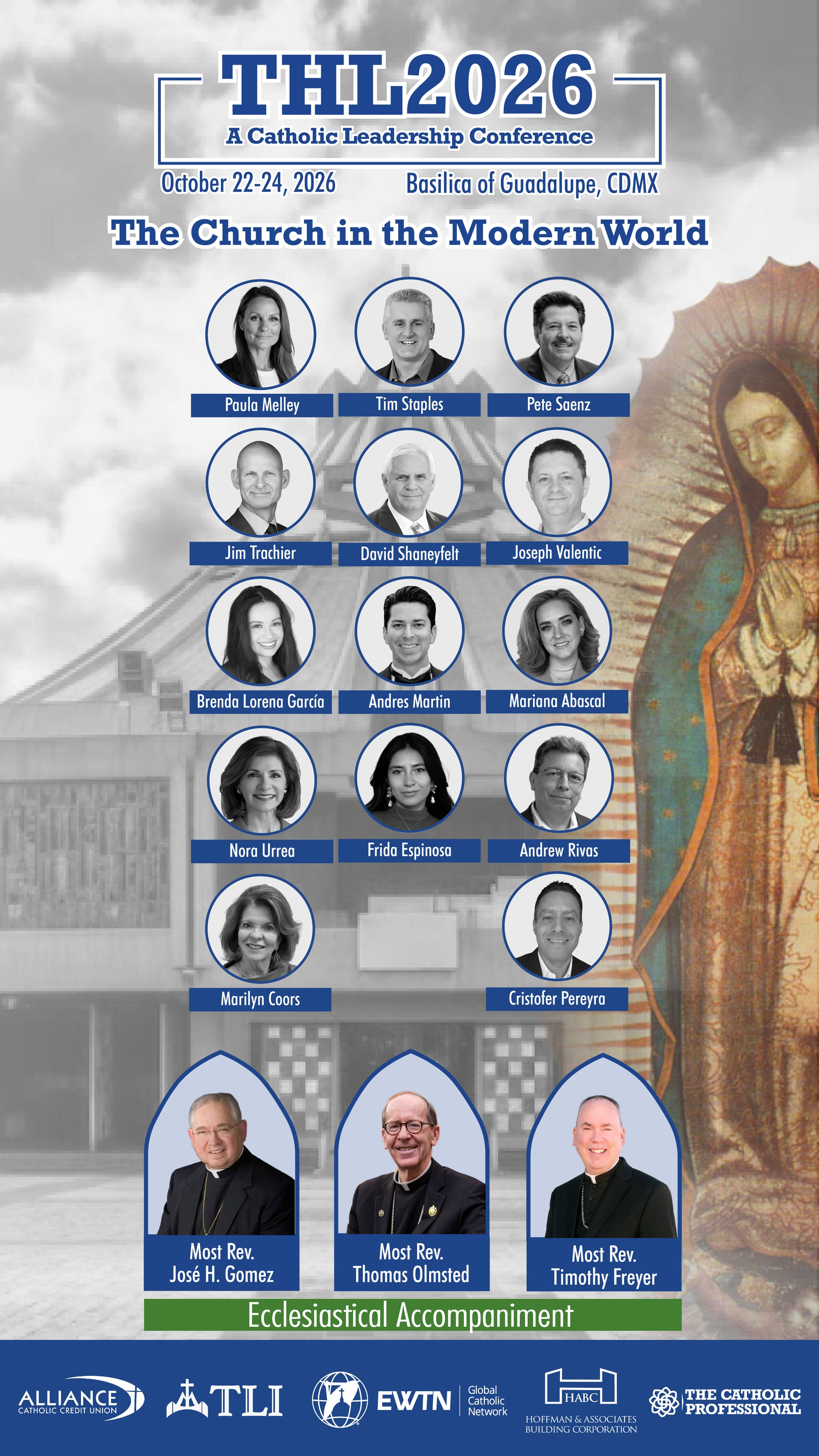
Ad: Discover the place where Our Lady of Guadalupe appeared to St. Juan Diego. See her image. And join Archbishop José Gómez, Bishop Thomas Olmsted and Bishop Timothy Freyer for The Hour of the Laity 2026 in Mexico City.
Practical Scenarios Where Silence Serves the Common Good
Learning to hold your tongue isn't about avoiding real responsibility or hiding from necessary, honest conversations. It is about choosing the right moment, the right spirit, and the right purpose.
Refusing to fuel office gossip and frustration is one of the most powerful ways to practice this discipline. When a project stumbles or leadership makes an unpopular decision, breakroom conversations often turn toward venting. While joining in can feel like easy camaraderie, it slowly erodes trust and demoralizes the team. Choosing quiet neutrality or gently redirecting the conversation protects your colleagues' dignity and helps maintain a healthy team culture.
Pausing before responding to provocation offers another vital opportunity for restraint. We have all received an email or critique that felt unfairly sharp, and reacting in the heat of the moment almost always leads to regret. Pausing, sleeping on a draft, or stepping away for a walk allows us to respond with clarity rather than reacting out of wounded pride, turning an emotional clash into a constructive dialogue.
Making room for others to speak and grow requires senior team members and leaders to hold back their immediate answers. The desire to jump in with quick solutions can accidentally quiet the rest of the room. By intentionally maintaining silence in meetings, we invite junior colleagues to share their insights, build confidence, and take real ownership of their work, allowing our restraint to actively support their professional development.
A Steady Witness in a Loud Culture
Choosing silence requires far more internal strength than giving in to impulsive speech. It asks us to master our emotions, set aside our ego, and put the peace of our workplace ahead of our desire to win an argument.
When we practice thoughtful restraint, our words carry far more weight when we do choose to speak. By bringing peace, self-control, and quiet reflection into our daily work, we offer our teams a living example of Christian wisdom, showing that true leadership is often found not in how loudly we speak, but in how deeply we listen.
P.S. Join Archbishop José Gómez, Bishop Thomas Olmsted and Bishop Timothy Freyer for The Hour of the Laity 2026 in Mexico City. In the videos bellow you will see what they have to say about THL2026.
Ad: Tepeyac Leadership’s Leadership for the World is a $2 million, three year mission to form lay Catholic leaders for the public square. Without formation, others fill the void. Will you step in or step aside now, when it matters most?