Last week tennis fans watched Novak Djokovic lose in the first round of the U.S. Open, proving that even the best of the best can reach their limits. For years, Djokovic has represented the pinnacle of discipline, mental toughness, and physical endurance. Watching an elite athlete, someone who has mastered his craft like few others in history, face a sudden, early defeat is a striking reminder of a fundamental human reality: performance fluctuates, energy wanes, and no earthly run lasts forever.
For Catholic executives, entrepreneurs, and leaders, this moment offers more than just sports commentary. It serves as a powerful mirror for our own professional lives.
We live in a culture that idolizes non-stop hustle, flawless execution, and perpetual upward trajectory. In corporate boardrooms, startup incubators, and medical practices, the pressure to perform at an elite level every single day can feel overwhelming. We set aggressive targets, pull long hours, and convince ourselves that with enough willpower, we can bypass basic human constraints.
Yet, as faithful professionals, we are called to measure success through a vastly different lens.
The Myth of Unbroken Momentum
When we buy into the secular myth of infinite productivity, failure or fatigue feels catastrophic. A lost client, a missed quarterly goal, or simply running out of mental bandwidth can trigger deep anxiety about our worth and capability. We forget that limits are not design flaws; they are built into the very fabric of creation.
God did not design human beings to be friction-less production machines. Even in the Genesis account, God rested on the seventh day, not out of exhaustion, but to establish a rhythm of grace, boundary, and order. Recognizing our limits is not an admission of weakness; it is an exercise in humility and truth.
When an elite champion reaches a limit, it does not erase their accomplishments, nor does it define their future. It simply signals a season to regroup, rest, and recalibrate. The same is true in our careers. A setback is rarely the end of the story, it is often the precise moment grace invites us to reassess where we are anchoring our identity.
Identity Beyond the Scoreboard
The primary danger high achievers face is identity fusion: allowing our title, income, or professional record to define who we are. When your self-worth is tethered to your latest victory, every loss feels existential.
St. Paul reminds us in his letter to the Philippians that earthly achievements, no matter how impressive, are ultimately secondary. Our foundational identity is not "CEO," "Managing Director," or "Top Producer." our foundational identity is beloved son or daughter of God.
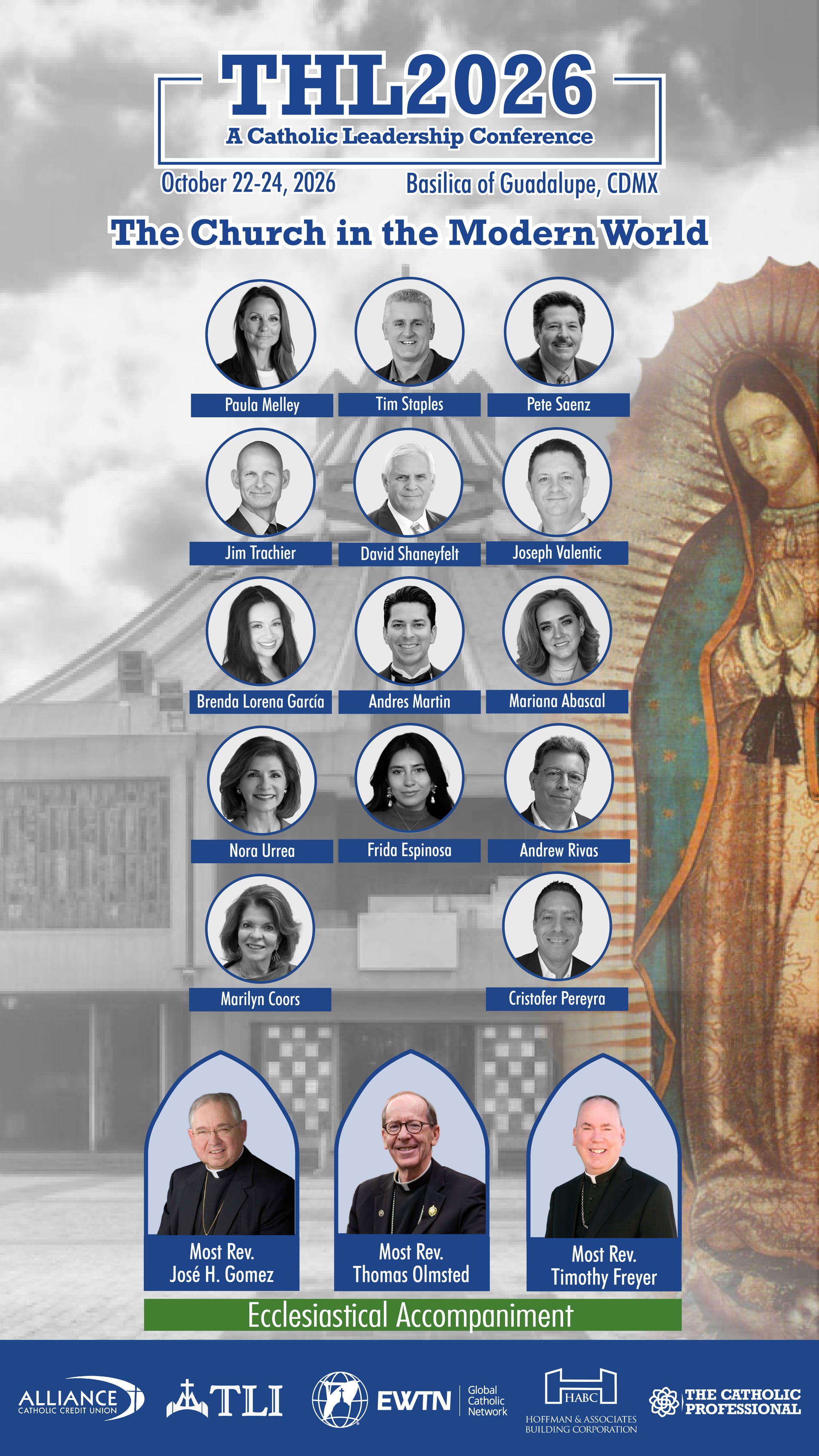
Ad: Discover the place where Our Lady of Guadalupe appeared to St. Juan Diego. See her image. And join Archbishop José Gómez, Bishop Thomas Olmsted and Bishop Timothy Freyer for The Hour of the Laity 2026 in Mexico City.
When you anchor your value in your baptismal identity rather than your quarterly KPIs, your perspective changes. Failure loses its sting, making a business setback a problem to solve rather than a verdict on your soul.
Rest also becomes sacred, allowing you to step away from work without guilt, knowing the universe relies on God’s providence, not your overwork.
Finally, your priorities naturally align, allowing family, prayer, and community to regain their proper place above the relentless drive for status.
Leading with Holy Humility
Acknowledging limits also transforms how we lead others. Leaders who pretend to be invincible create toxic, burnt-out workplace cultures. Conversely, leaders who practice holy humility create environments rooted in truth, resilience, and psychological safety.
Admitting when a strategy failed, asking for help, or encouraging your team to take genuine rest communicates a powerful message: people matter more than metrics.
The next time you face a hard wall in your career or watch your best efforts fall short, take a cue from the court. Take a breath, accept the boundary, and step back. The court will still be there tomorrow, and so will the grace to play another day.
P.S. Join Archbishop José Gómez, Bishop Thomas Olmsted and Bishop Timothy Freyer for The Hour of the Laity 2026 in Mexico City. In the videos bellow you will see what they have to say about THL2026.
Ad: Tepeyac Leadership’s Leadership for the World is a $2 million, three year mission to form lay Catholic leaders for the public square. Without formation, others fill the void. Will you step in or step aside now, when it matters most?