Table of Contents
When operational systems break down, whether through a critical supply chain disruption, a product defect, or a major recall, the executive suite reaches a tense, defining crossroad.
In those heavy first hours, the human reaction for any management team is self-preservation: protect the company, manage the story, and soften the blow. Traditional corporate risk playbooks often tell us to share only what is legally required, treating public transparency like a risk to be contained.
Yet, as faith-driven professionals, we know this defensive posture misses something fundamental about leadership and human connection. Commercial trust isn't built on flawless operations, it is built on how we show up when things go wrong. Choosing radical honesty in the middle of an operational crisis isn't just the right ethical choice, it is the most powerful way to protect your team's integrity and earn lasting respect.
The Human Cost of Corporate Spin
Catholic social teaching reminds us that businesses exist to serve real people and support the common good. When a company falls short on safety or stays silent about a breakdown, the real damage goes much deeper than lost revenue or bad press. It breaks an unspoken promise of care between a business and the people who rely on it.
When we lean into corporate spin to shield ourselves, we often end up hurting the very organization we are trying to protect. Our employees almost always know the real story, and watching leadership gloss over a crisis builds quiet cynicism and breaks down trust from the inside out. Downplaying root causes just to protect short-term reputation also keeps our teams from doing the real, necessary work of fixing systemic problems. Worst of all, it damages our relationships with customers and partners, who are almost always willing to forgive a genuine mistake, but rarely forgive being misled.
True virtue in the workplace means aligning our public words with our inner convictions. It is easy to be transparent when business is smooth, but standing tall in truth when millions of dollars and prestige are on the line takes genuine courage and character.
A Grace-Filled Approach to Crisis Management
Shifting our response from self-defense to genuine stewardship gives us a clear, compassionate path forward. As leaders, we can navigate high-stakes failures by focusing on four core principles:
1. Lead with Vulnerability and Speed
Don't wait for headlines or pressure from outside to speak up. Share what you know as soon as the facts are clear. Moving quickly and openly shows your community that their safety and well-being will always matter more to you than corporate convenience.
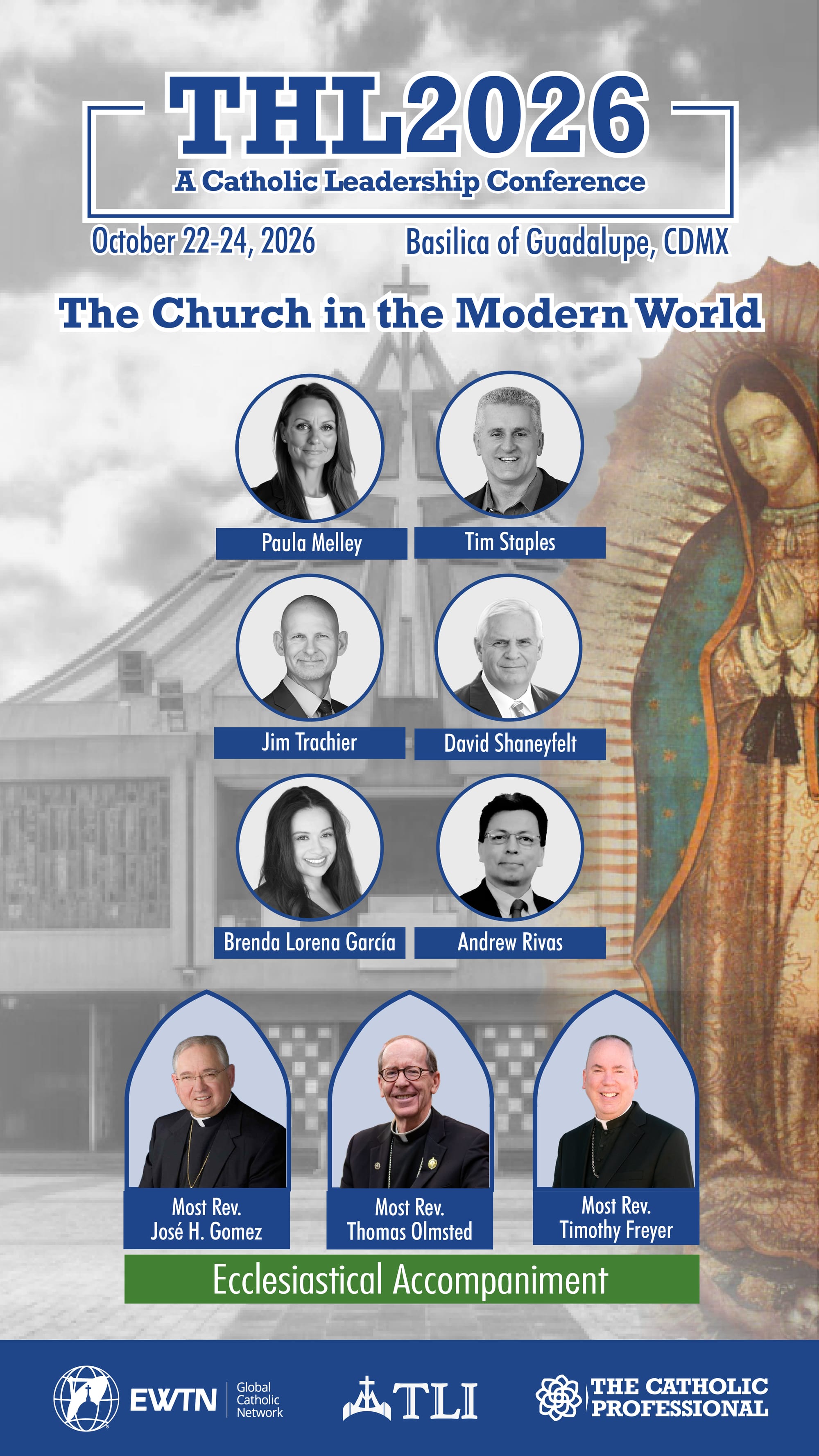
Ad: Discover the place where Our Lady of Guadalupe appeared to St. Juan Diego. See her image. And join Archbishop José Gómez, Bishop Thomas Olmsted and Bishop Timothy Freyer for The Hour of the Laity 2026 in Mexico City.
2. Take Full Ownership
Resist the urge to hide behind sterile, corporate phrasing like "mistakes occurred" or "unforeseen technical anomalies arose." Speak simply and directly about what happened, where the system failed, and where you fell short of your own standards. Honest accountability heals trust far faster than a polished public relations script ever could.
3. Put People Ahead of Profit
Behind every supply chain failure are real human lives, including families, supply partners, frontline staff, and local communities. Your very first instinct must be to care for their safety and offer real support, long before turning your attention to financial impact or board concerns.
4. Walk the Journey Out in the Open
Transparency isn't a one-time announcement, it's an ongoing relationship. Keep the doors open as you rebuild. Share your progress, welcome outside reviews, and let your community watch the real work of transformation happen step by step.
The Heart of Stewardship
At its core, leadership is a quiet ministry of service. We are given the responsibility to care for resources, brand names, and above all, people.
When storm clouds gather, we have an incredible opportunity to show what our values actually look like in action. By choosing openness over self-defense, we honor the dignity of the people we serve, build deeply resilient teams, and create a culture of trust that can weather any challenge.
P.S. Join Archbishop José Gómez, Bishop Thomas Olmsted and Bishop Timothy Freyer for The Hour of the Laity 2026 in Mexico City. In the videos bellow you will see what they have to say about THL2026.
Ad: Tepeyac Leadership’s Leadership for the World is a $2 million, three year mission to form lay Catholic leaders for the public square. Without formation, others fill the void. Will you step in or step aside now, when it matters most?