Table of Contents
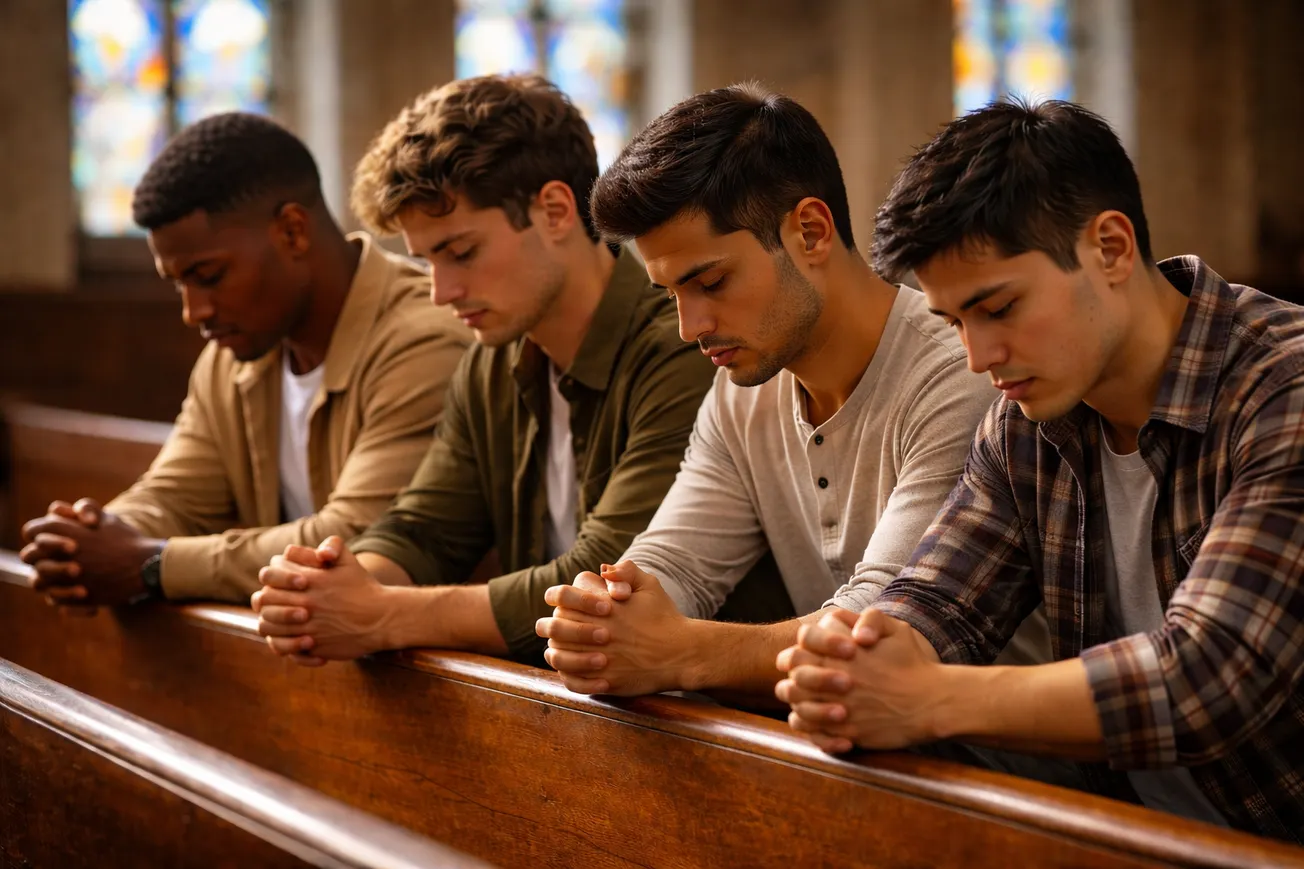
The latest findings from Gallup, echoed in reporting by EWTN News, point to a striking and historically significant shift in American religious life. For the first time in over two decades, young men are now more likely than young women to say that religion is “very important” in their lives. This reversal of a long-standing gender pattern is not a minor fluctuation. It signals a deeper realignment with important implications for culture, leadership, and the future of faith in the professional world.
A Historic Reversal
For much of modern history, women have consistently demonstrated higher levels of religiosity than men. At the beginning of the 2000s, young women outpaced young men by a wide margin in viewing religion as central to their lives. Gallup data shows that gap has now closed and reversed.
Today, 42 percent of men aged 18 to 29 say religion is very important to them, up sharply from 28 percent just a few years ago. Meanwhile, young women remain at about 30 percent, reflecting stagnation or even decline. This means young men now lead their female peers in this key measure of religious commitment for the first time in roughly 25 years.
Equally notable is that this shift is concentrated almost entirely among young men. Older generations show little change, and young women now represent the least religious female cohort on record.
Beyond Belief: Practice and Identity
The change is not merely attitudinal. It is behavioral. Religious attendance among young men has also risen, with 40 percent reporting that they attend services at least monthly, the highest level in more than a decade.
At the same time, religious identity among young men has been gradually increasing since its low point in the mid 2010s, while identification among young women has declined. The result is a convergence in affiliation, but a divergence in intensity and engagement.
Taken together, these trends suggest that young men are not only more open to religion but are also integrating it more concretely into their lives.
Interpreting the Shift
It would be simplistic to interpret this development as a full religious revival. The broader trajectory of American religiosity still points downward. However, what is emerging is more nuanced and arguably more consequential.
Among young men, religion appears to be functioning as a source of structure, identity, and meaning in a cultural environment often marked by fragmentation. Analysts point to factors such as loneliness, the search for purpose, and the appeal of communities that offer clear expectations and belonging.
There is also a notable alignment with broader social and political trends. The increase in religiosity is especially pronounced among young men who identify with more traditional or conservative frameworks, suggesting that faith is becoming part of a wider reconfiguration of worldview rather than an isolated phenomenon.
Implications for Catholic Professionals
For Catholic professionals, these findings carry both opportunity and responsibility.
First, they challenge prevailing assumptions. For years, many have operated under the expectation that younger generations, especially young men, would continue drifting away from faith. That narrative no longer fully holds. A significant portion of young men are rediscovering the importance of religion, often in countercultural ways.
Second, this moment calls for intentional engagement. A renewed openness does not automatically translate into mature faith. The data shows increased interest and participation, but it does not guarantee depth, formation, or long-term commitment. That gap must be filled through mentorship, witness, and authentic community.
Third, there is a leadership dimension. Young men entering the workforce with a renewed sense of religious importance may be more receptive to integrating faith with professional life. This creates a unique opportunity for Catholic leaders to model what it means to live with coherence, integrity, and purpose in the marketplace.
A Moment Worth Noticing
What makes this shift particularly significant is not only that young men are becoming more religious, but that they are doing so in a cultural context that often discourages it. This suggests that their movement toward faith is not merely inherited but chosen.
In that sense, the findings from Gallup are not just sociological data points. They are indicators of a deeper search underway among a generation that is often described as disengaged.
For those attentive to the signs of the times, this is a development worth watching closely. It may well shape the future of the Church, and the character of leadership, in ways that are only beginning to emerge.
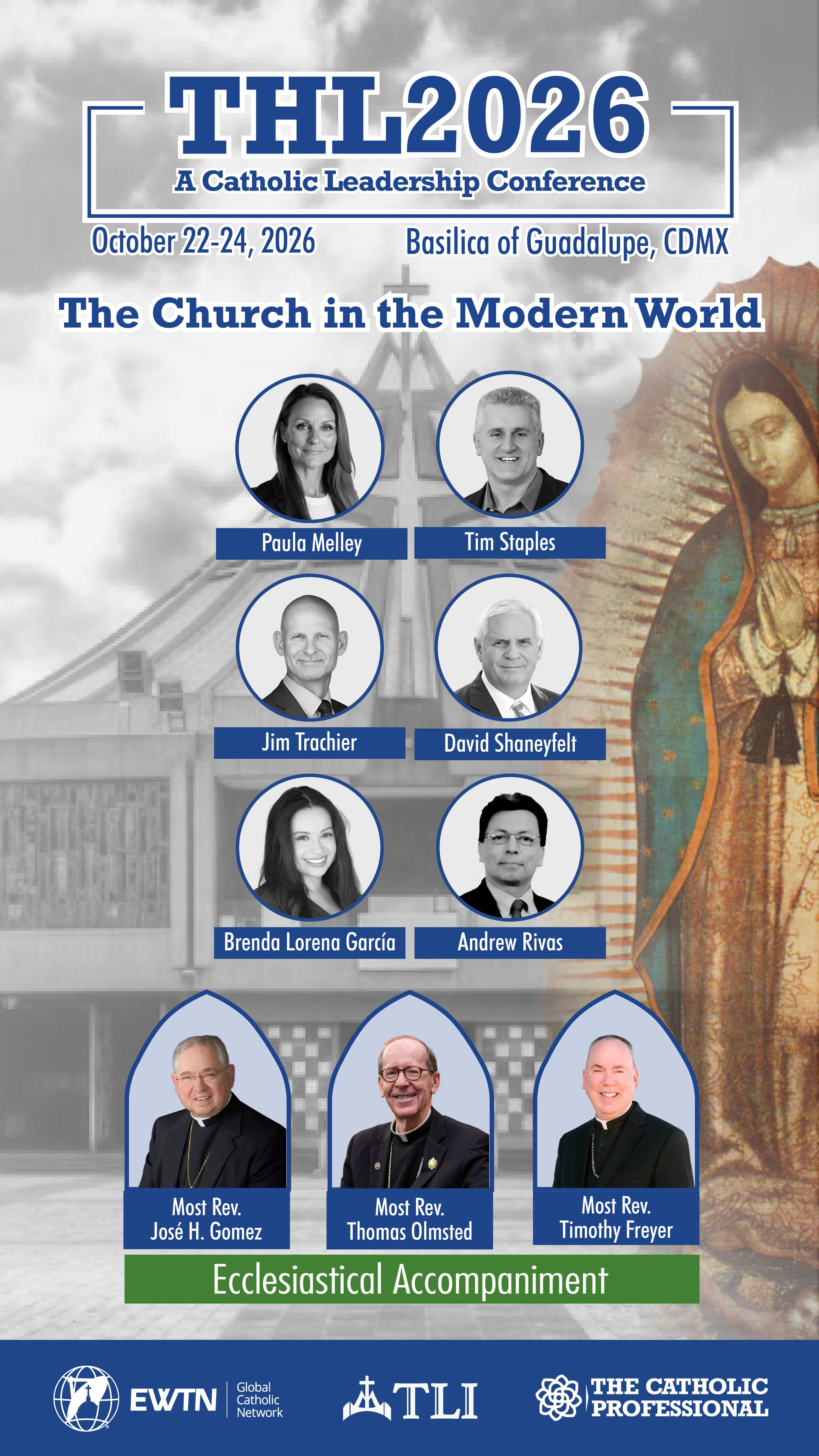
P.S. Discover the place where Our Lady of Guadalupe appeared to St. Juan Diego. See her image. And join Archbishop José Gómez, Bishop Thomas Olmsted and Bishop Timothy Freyer for The Hour of the Laity 2026 in Mexico City.