Table of Contents
A new book titled Gringo Salado, available on Amazon emerges as a striking testimony of redemption, identity, and the transformative power of grace. Written from the depths of lived experience, it is not simply a memoir, but a work that speaks directly to those navigating the hidden burdens of generational wounds and the search for meaning in a fractured world.
Its author, Jerry A. LoCoco, J.D., a Tepeyac Leader, brings to this work not only professional accomplishment, but a deeply personal journey marked by suffering, perseverance, and ultimately renewal. His story reflects the kind of leadership that is forged not in comfort, but through trial, reflection, and a willingness to confront the truth.
The author recounts a childhood marked by alcohol, drugs, and violence, an environment that shaped his early understanding of life and identity. Yet, as is often the case, external hardship did not end with adulthood. At forty years old, despite having followed the paths that society proposes as markers of success, he found himself in a profound spiritual darkness. The outward signs of achievement could not mask an interior sense of being lost.
A Journey Through Silence and Renewal
Rather than continuing to seek answers in noise and distraction, the author entered into a prolonged period of silence. Over the course of forty six months, he committed himself to prayer, reading, and writing. This intentional withdrawal from the chaos of the world became the foundation for a deep interior renewal.
During this time, he encountered not only his own wounds, but also the enduring wisdom of the Catholic tradition. Ancient practices of the faith offered structure, clarity, and ultimately healing. What began as a search for relief gradually became a path toward transformation.
This period also gave birth to the book itself. The writing process was not merely reflective, but restorative. It became a means of confronting painful truths without fleeing from them, and of allowing grace to reshape what once seemed irredeemable.
The Meaning Behind the Title
The title Gringo Salado carries particular significance. Originally used as a cruel insult, it was a label meant to diminish and wound. Even so, the author chose to retain it, despite suggestions from his editor to adopt something more accessible.
This decision reflects a central theme of the book. What was intended for harm can, through God’s grace, be transformed into a source of strength and purpose. By reclaiming the name, the author demonstrates that identity is not ultimately defined by the wounds inflicted upon us, but by how those wounds are offered and redeemed.
From Wounds to Mission
At the heart of the book is a deeply Christian understanding of suffering. The narrative is rooted in the truth of the Cross, where pain is not erased, but transformed. The author emphasizes that generational wounds are not to be ignored or weaponized, but confronted and offered to Christ.
This process leads not only to personal healing, but to mission. The wounds themselves become instruments through which one can serve others. In this way, the story moves beyond autobiography and becomes a call to action.
Freedom and the Pursuit of the Good
A key idea woven throughout the work is the concept of causa sui, understood here as the freedom of choice given by Christ. This freedom is not an end in itself, but a path toward what the tradition calls the freedom of excellence, the ability to choose the good, the true, and the beautiful.
The author expresses a particular concern for children born into disorder, those who inherit brokenness without having chosen it. His hope is that this book will serve as a guide for them, showing that their circumstances do not define their destiny. Instead, through grace and intentional living, even the most painful origins can become the foundation of a meaningful and redemptive life.
In bringing his story to light, Jerry A. LoCoco offers more than a narrative. He offers a witness to the enduring truth that no wound is beyond redemption when placed in the hands of Christ.
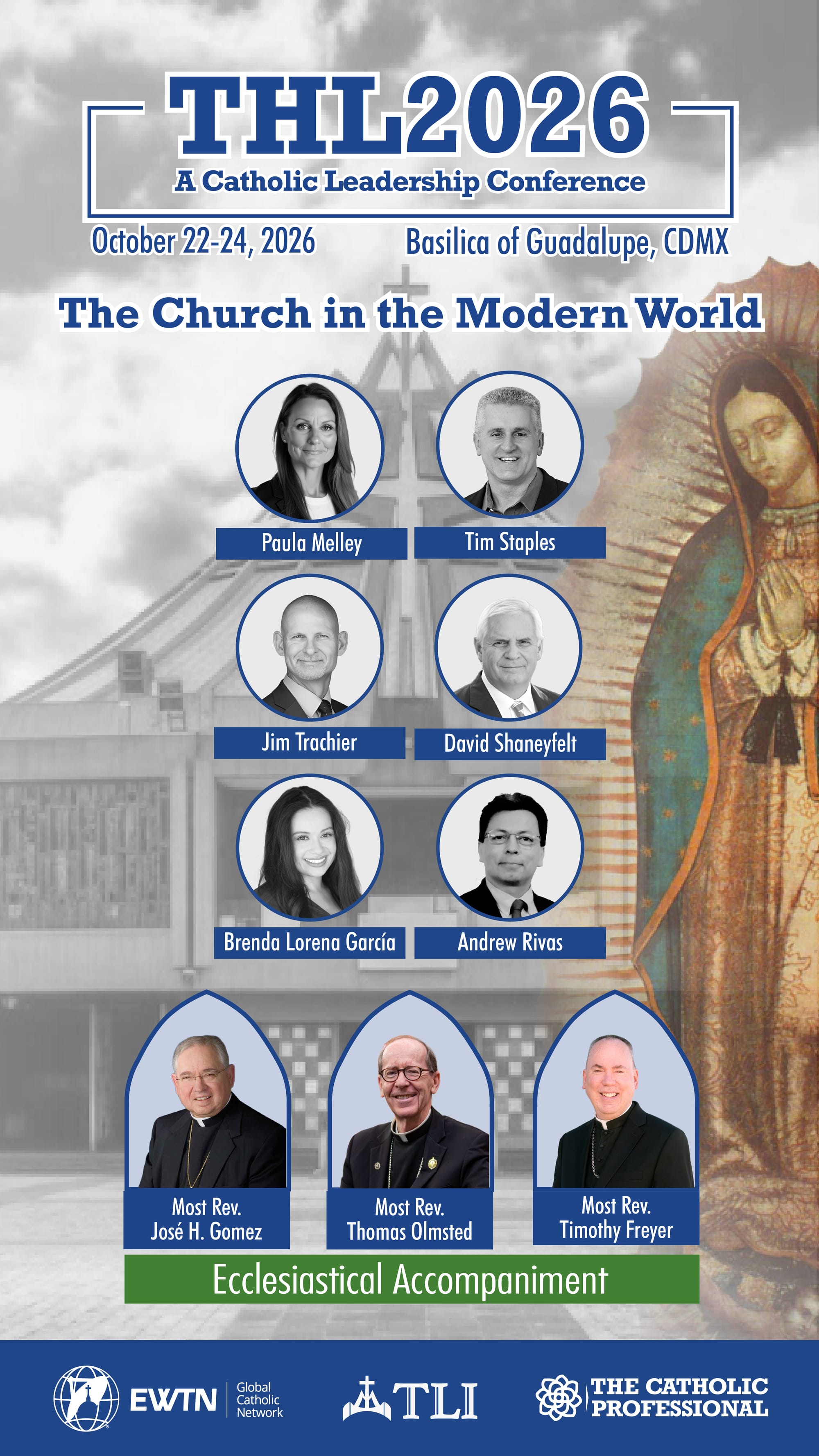
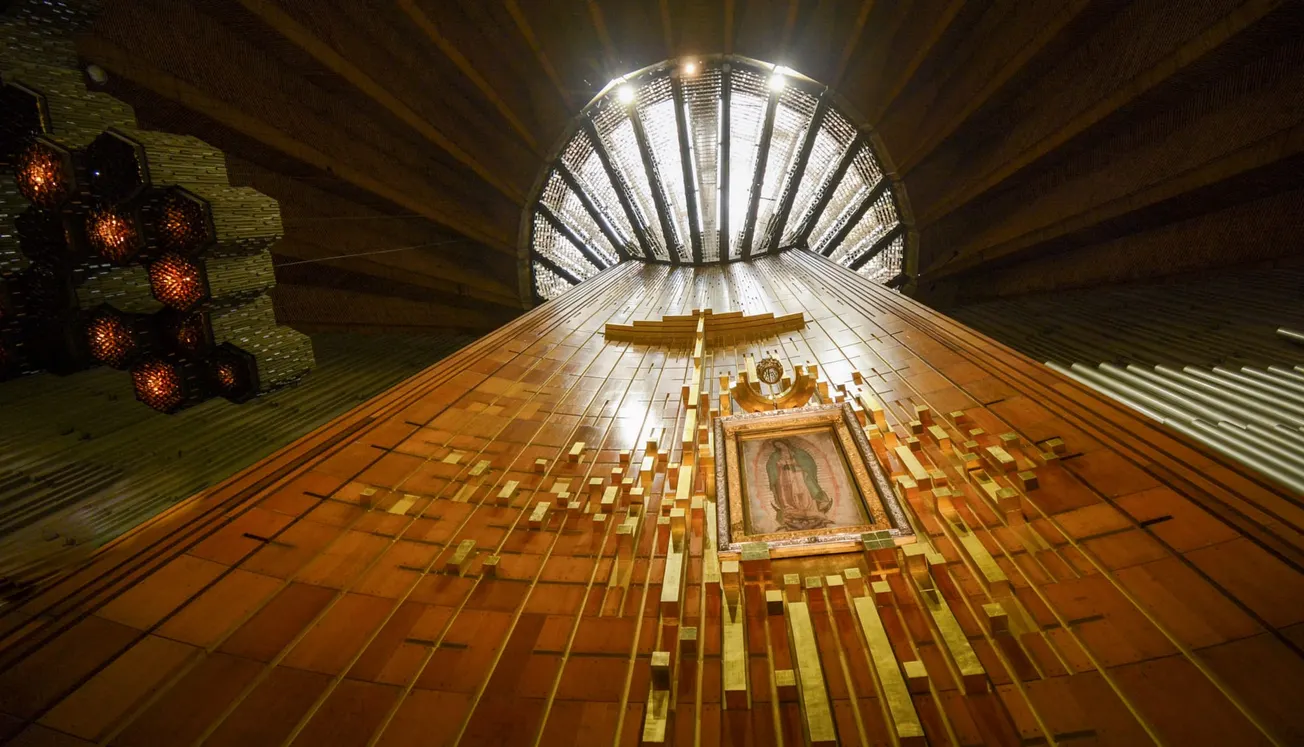
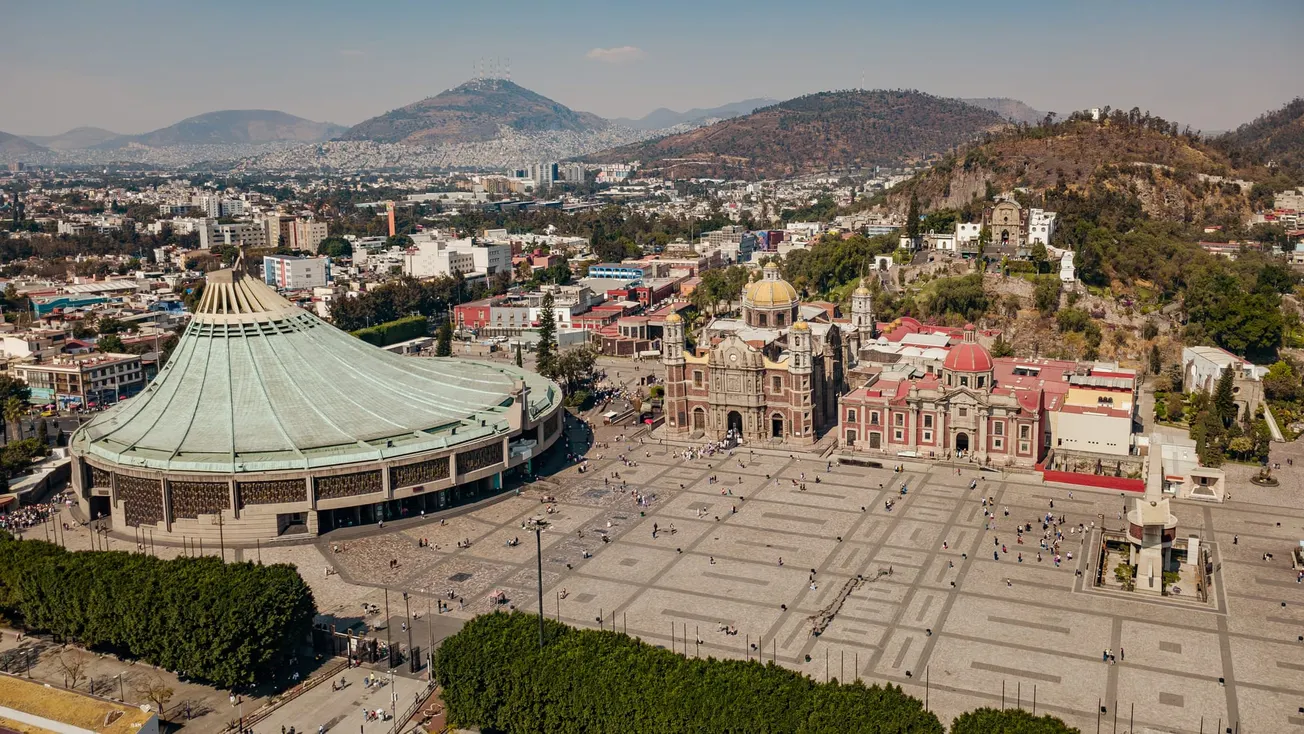
P.S. Discover the place where Our Lady of Guadalupe appeared to St. Juan Diego. See her image. And join Archbishop José Gómez, Bishop Thomas Olmsted and Bishop Timothy Freyer for The Hour of the Laity 2026 in Mexico City.