

What’s Wrong with Adultery? A Catholic Perspective
Infidelity fractures trust, introduces shame and secrecy, and often leads to the collapse of the family unit. In many cases, it leaves children feeling insecure, angry, or even blaming themselves.
Infidelity fractures trust, introduces shame and secrecy, and often leads to the collapse of the family unit. In many cases, it leaves children feeling insecure, angry, or even blaming themselves.

As Catholic professionals, we’re witnessing something extraordinary: the emergence of a lay-led, digitally native evangelization movement with the full backing of the Church.

There is a growing number of fellowships and leadership initiatives that welcome or are specifically designed for Catholics seeking to live their vocation through professional excellence and public witness.

Wearing the scapular is not magic or superstition; it is an outward sign of an inward devotion—a sign of belonging to Mary and committing to a life of virtue, prayer, and service.

Unlike other major pilgrimage destinations in Europe or the Holy Land, the Basilica of Guadalupe is geographically close and financially accessible.

Catholic professionals can be pioneers—not only in technical innovation but in shaping an automation culture that is deeply ethical, purpose-driven, and human-focused.

The canonization of Louis and Zélie Martin—and the holiness of their children—proves that an integrated Catholic life is not only possible, but fruitful.

The current resurgence of Catholic aesthetics is not a return to ornamentation for its own sake, but a rediscovery of beauty’s evangelizing power.

Catholic professionals are not on the sidelines of this moment. Whether you’re a policymaker, entrepreneur, engineer, educator, or nonprofit leader, you are being invited into a deeper mission: to lead with both competence and conscience.

This moment also presents an opportunity to rethink leadership pipelines. Many Gen Z Catholics are drawn to roles where mission and responsibility intersect.

This call for deeper reverence, integrity, and interior conversion should stir every Catholic engaged in the public square. Our faith is not private—it is personal, yes, but never private.

People who quiet-thrive often set clearer boundaries, align daily tasks with personal values, invest in relationships, and seek out learning opportunities. They take ownership of their emotional health and actively look for meaning in what they do.

The world needs Catholic leaders who refuse to check their faith at the office door. The world needs leaders who see their professional success as inseparable from their spiritual formation. The world needs leaders who understand that true greatness is measured by your service.

In the words of Pope Leo XIV, we must “use this opportunity for listening, for prayer, so that you may hear more clearly God’s voice calling you deep within your hearts.”
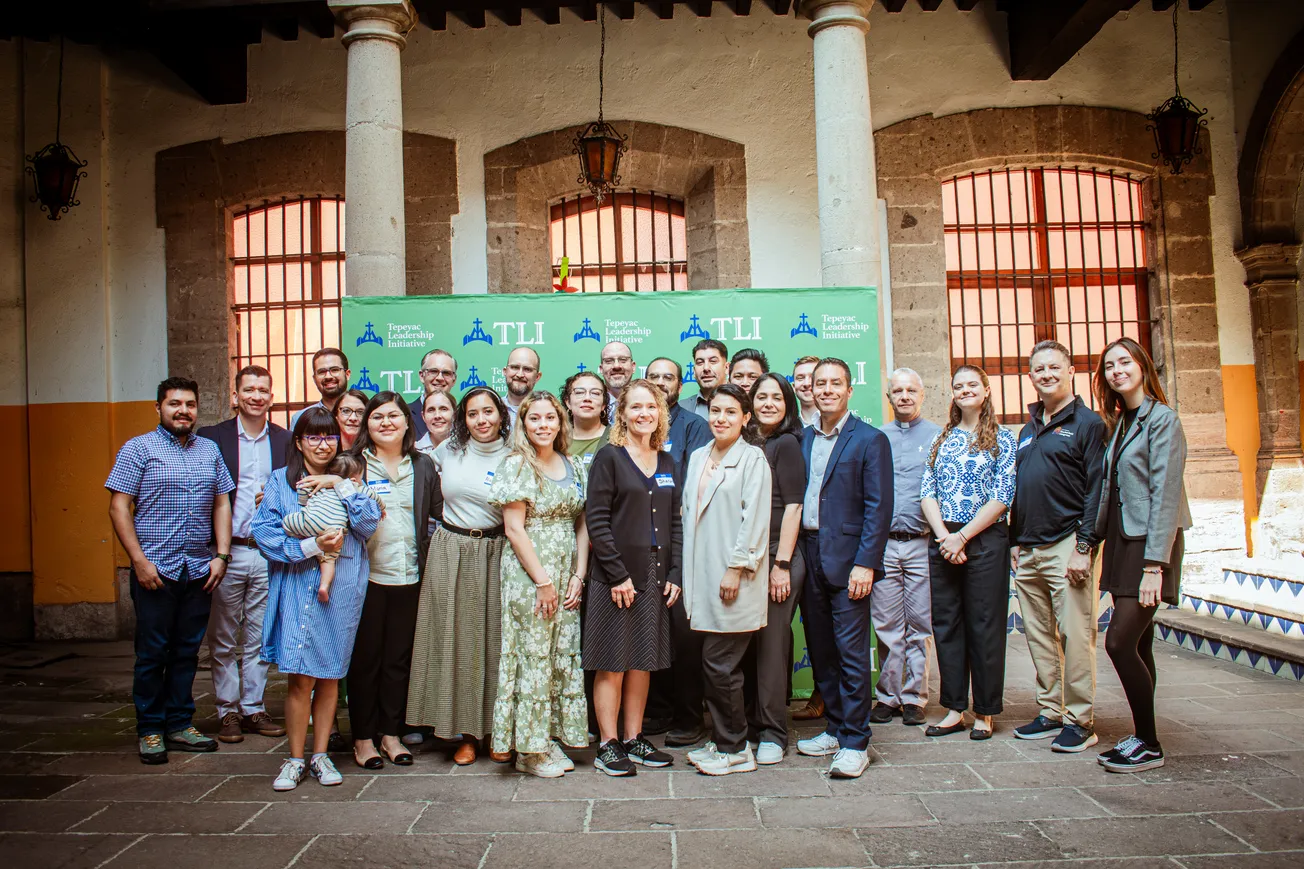
What a gift we have been given Friends! This TLI program has been an amazing experience. So on behalf of the entire class of 2025, we say thank you to everyone who has been part of this year’s program.

As the program moves toward implementation, it will require vigilant advocacy—not only at the federal level but especially in individual states, where Catholic voices can have a powerful influence on whether and how the program is adopted.