

Breaking the Eclipse: Why Catholics Must Unleash the Dynamite of the Gospel
If Catholics are to overcome its current eclipse, we must let the dynamite of the Gospel do what it was built to do.
If Catholics are to overcome its current eclipse, we must let the dynamite of the Gospel do what it was built to do.

A leadership transition is rarely convenient, and it is never easy. However, history shows that organizations anchored by virtuous, clear-eyed board members often emerge from transitions stronger, more unified, and more sharply focused on their core purpose.
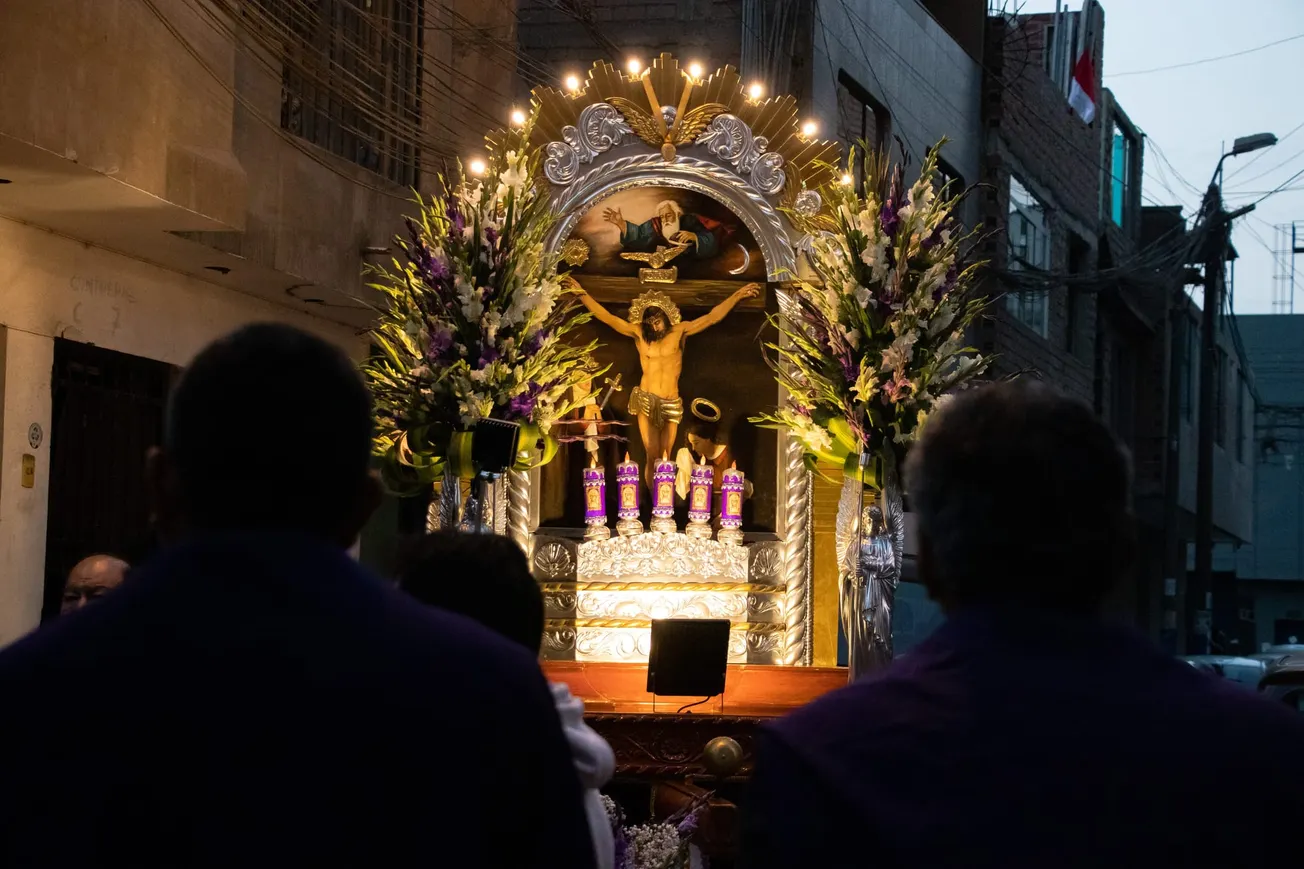
Following weeks of meticulous ballot reviews and a razor-thin election margin, Keiko Fujimori has been officially proclaimed the president-elect of Peru.
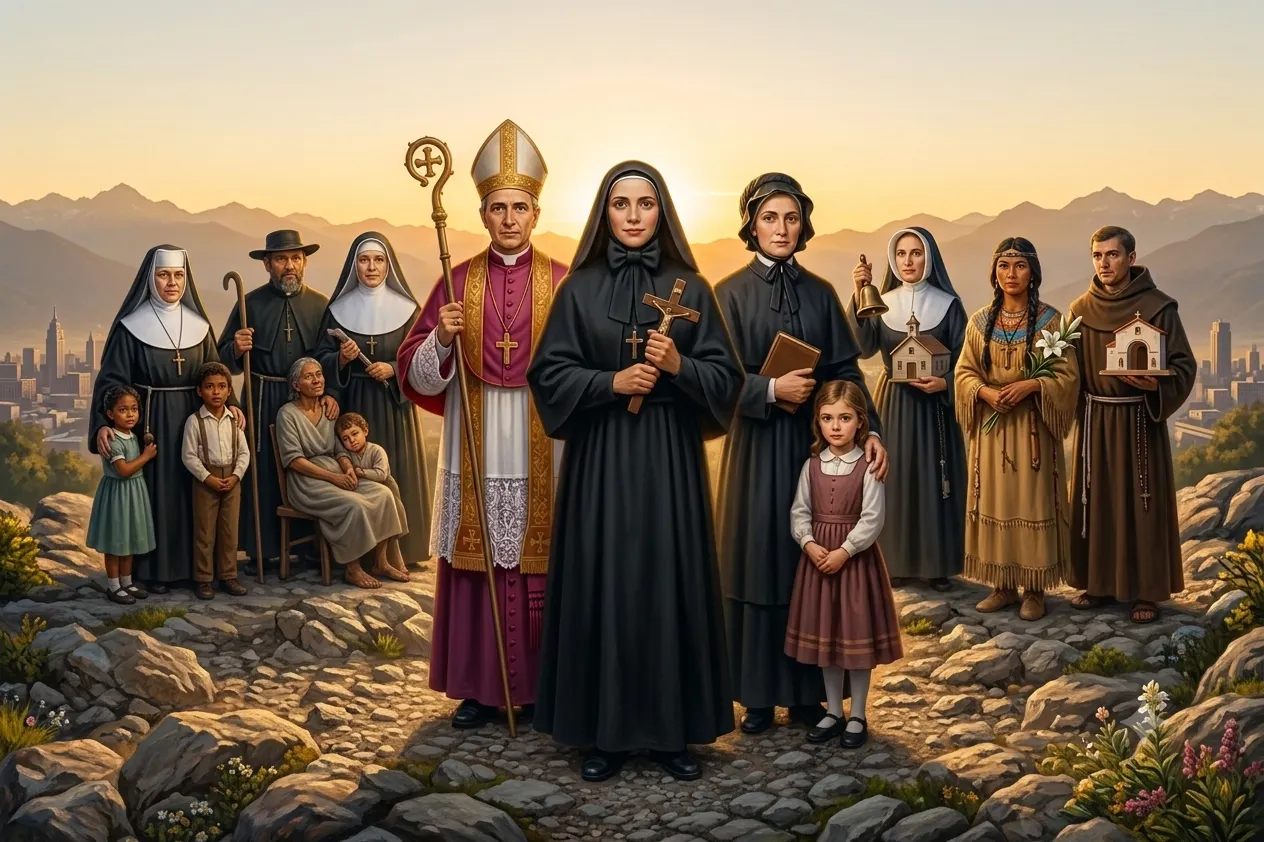
As Catholic professionals navigating a complex modern marketplace, these saints offer more than historic inspiration. They provide concrete models of executive leadership, strategic vision, and unconditional service.
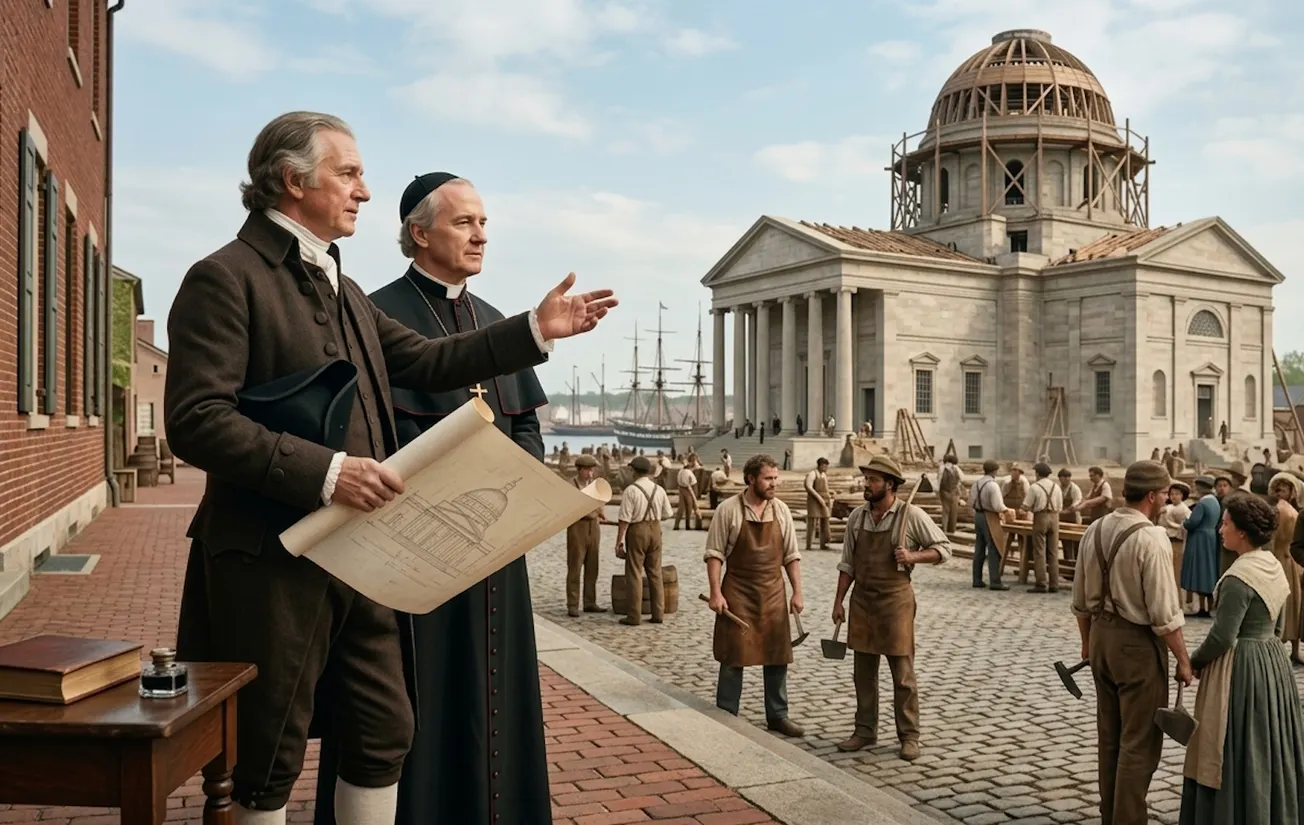
For the Catholic professional, this semiquincentennial celebration is not just a civic time, but an invitation to recognize a profound truth. Catholicism has not been a late addition to the American tapestry, rather, it has been woven into the fabric of this land from the very beginning.

In Genesis, God did not rest because He was exhausted; He rested to establish a rhythm for creation and to hallow time itself. Later, the Third Commandment codified this rhythm.

The deadest hour of your workday does not have to be wasted. It can become your hidden monastery, a sacred decompression chamber where God shapes your professional ambition into a holy calling.
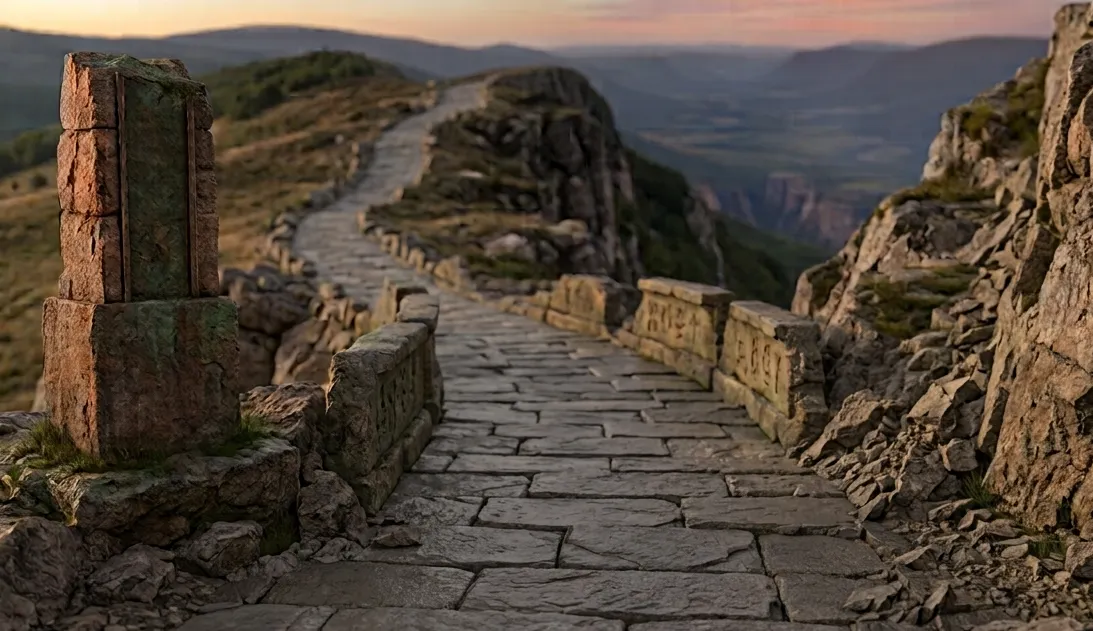
For Catholics, commitment is far more than a personality trait. It is a spiritual discipline rooted in our relationship with God. We follow a Lord who never abandoned His mission, even when that mission led Him to Calvary.

For centuries, the default assumption was that true sanctity required a retreat from the world: the monastery, the convent, or the desert. Then came St. Josemaría Escrivá.

Ambitious career growth and a devout spiritual life are not mutually exclusive. However, navigating the corporate hierarchy requires a distinct framework, one that redefines success not by worldliness, but by faith.

When facing complex decisions, such as partnerships, mergers, or new revenue streams, leaders should actively ask how these moves impact human dignity.

Soccer reminds us that life is not a race to show off on our own, but a path we learn to walk together. He observed that anyone who does not know how to pass the ball, even if they have talent, has not yet understood the game.

If we cannot change our physical architecture, we must change our spiritual architecture. We must learn to build an “interior sanctuary” right at our desks.
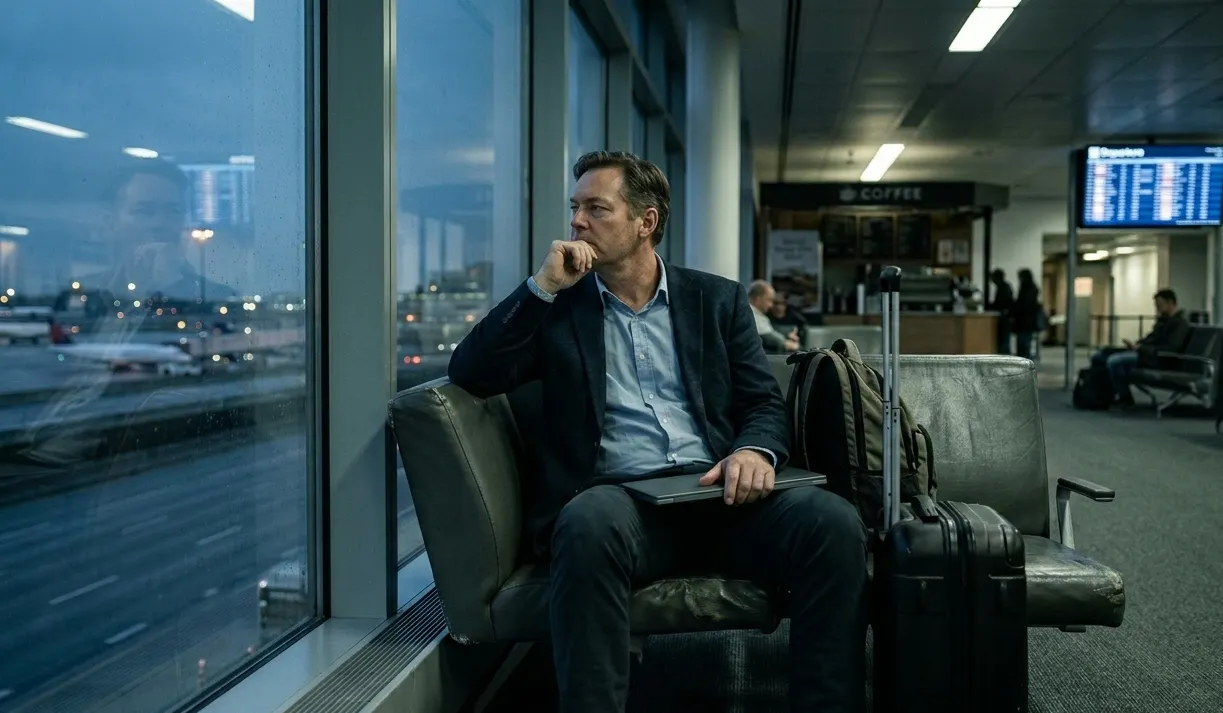
The road does not have to be a place of spiritual decline. If we enter the desert with an attentive heart, we will find that Christ is already there, waiting to meet us in the quiet of the journey.
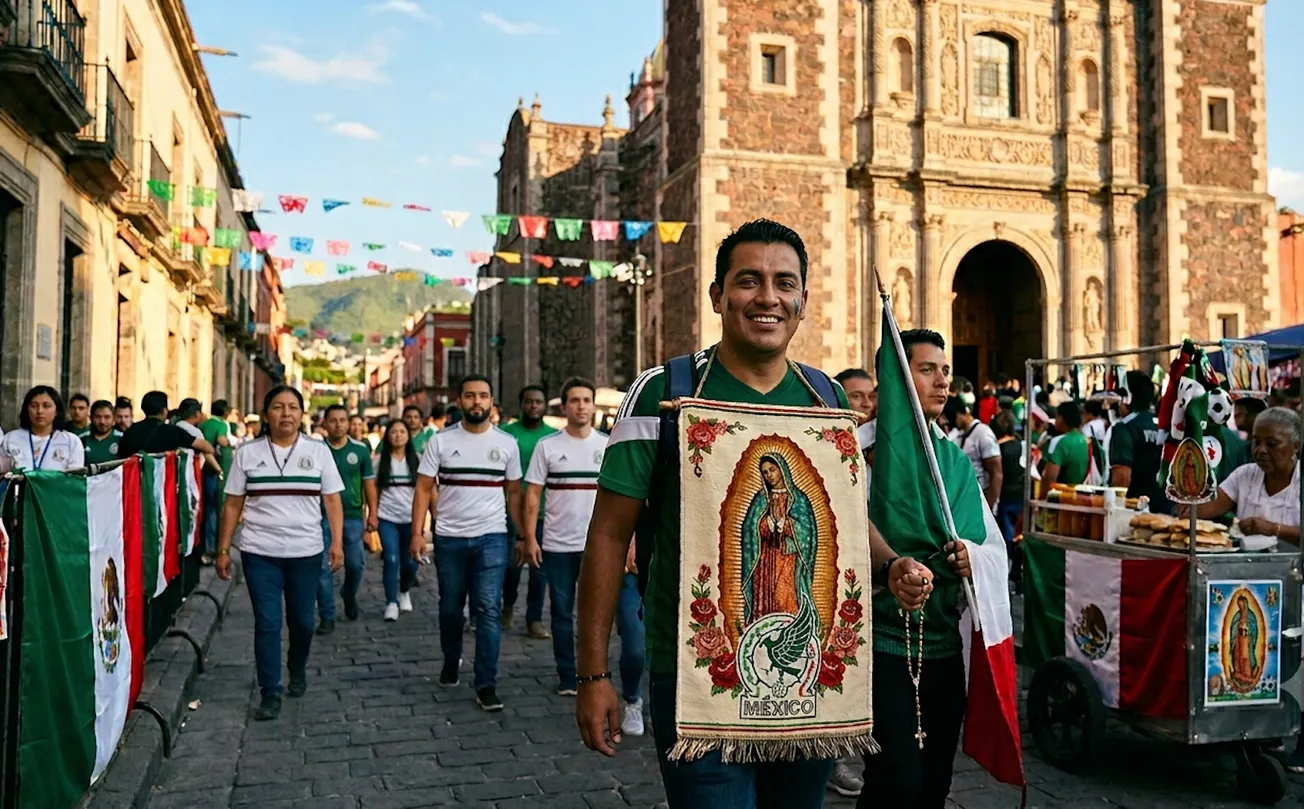
Because of our special bond with Our Lady of Guadalupe, Mexico is a place that is spiritually significant to us and central to our mission. As the matches begin, we thought it would be helpful to address the question of safety thoughtfully and directly.
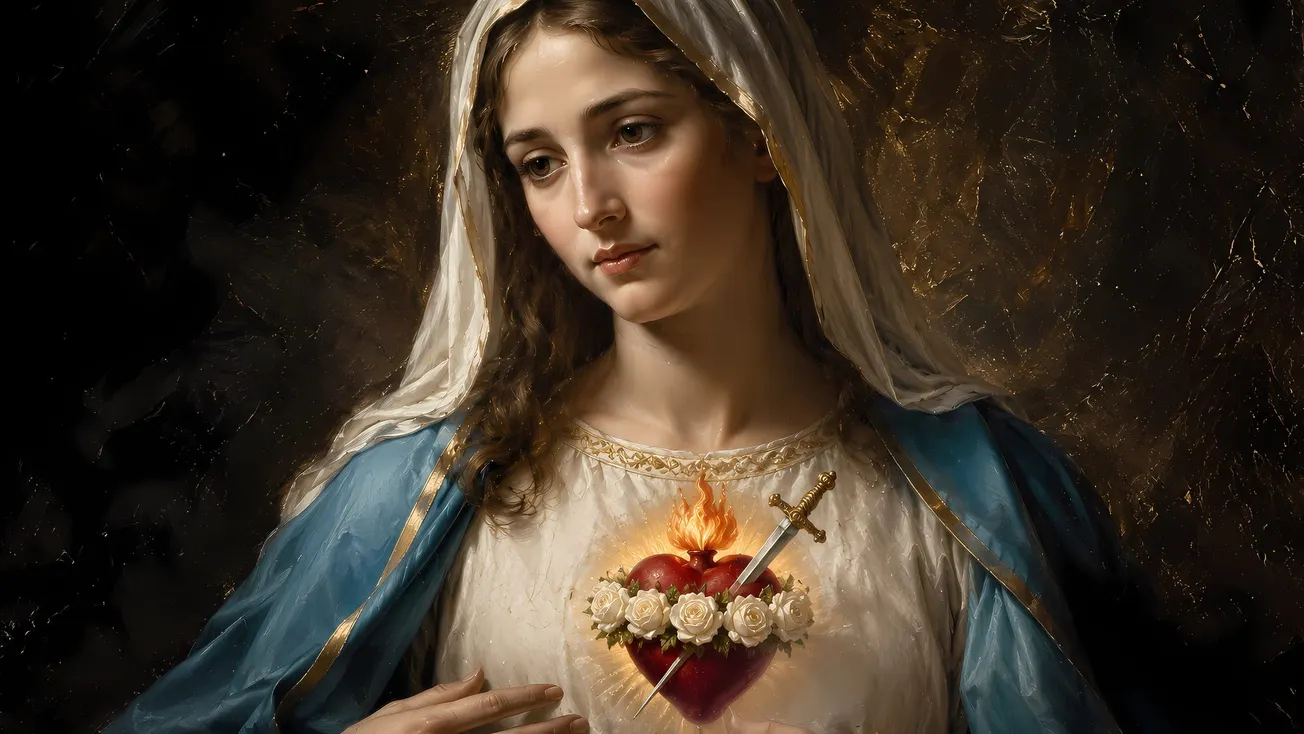
The image of the Immaculate Heart, surrounded by white roses, pierced by a sword, and radiating a pure, interior light, offers a profound masterclass in leadership. It invites executives and managers to trade reactionary management for reflective wisdom, presence, and resilient hope.