
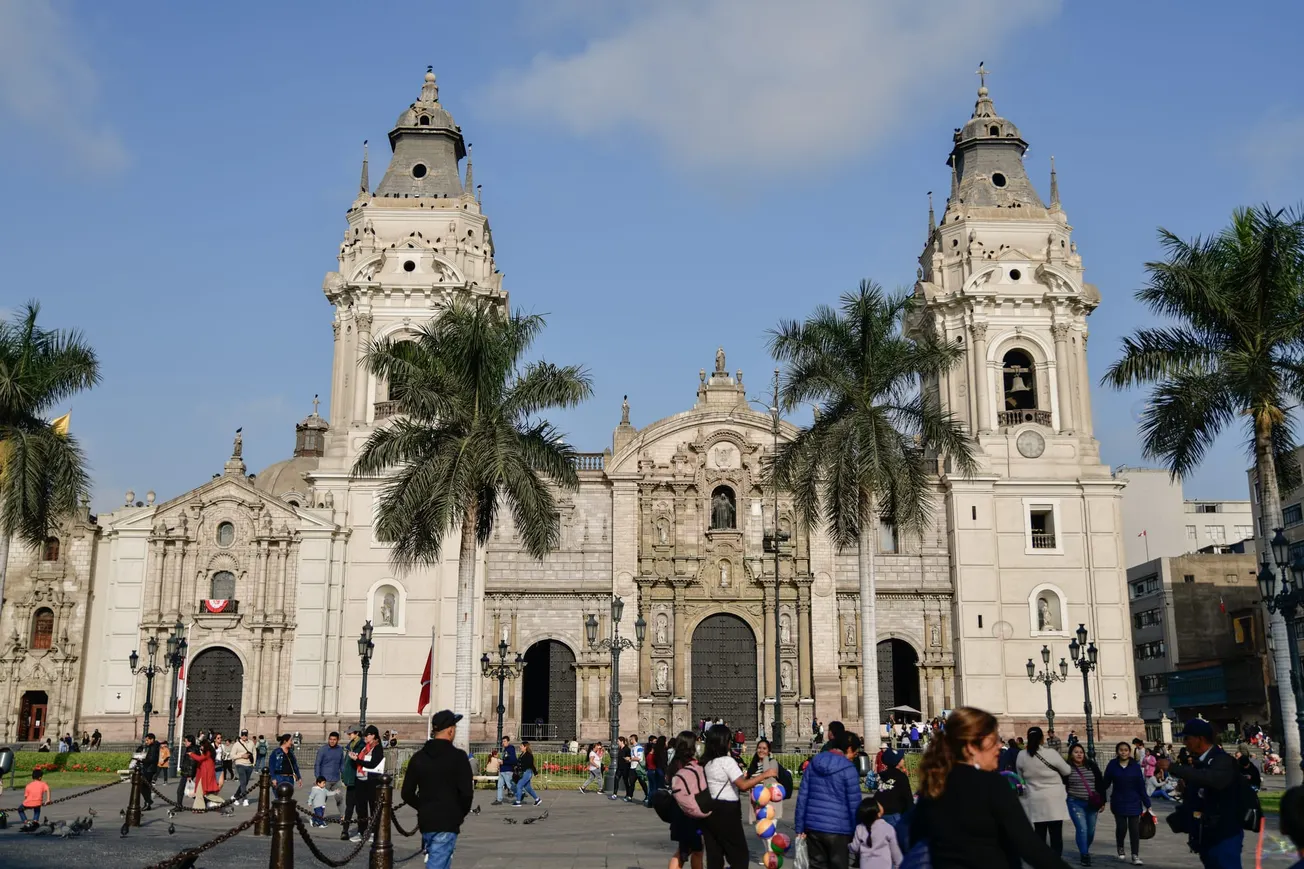
Global Renewal
Societies facing severe political instability and public anxiety, the human heart continually yearns for stability, reconciliation, and a higher moral purpose in public life.
Societies facing severe political instability and public anxiety, the human heart continually yearns for stability, reconciliation, and a higher moral purpose in public life.
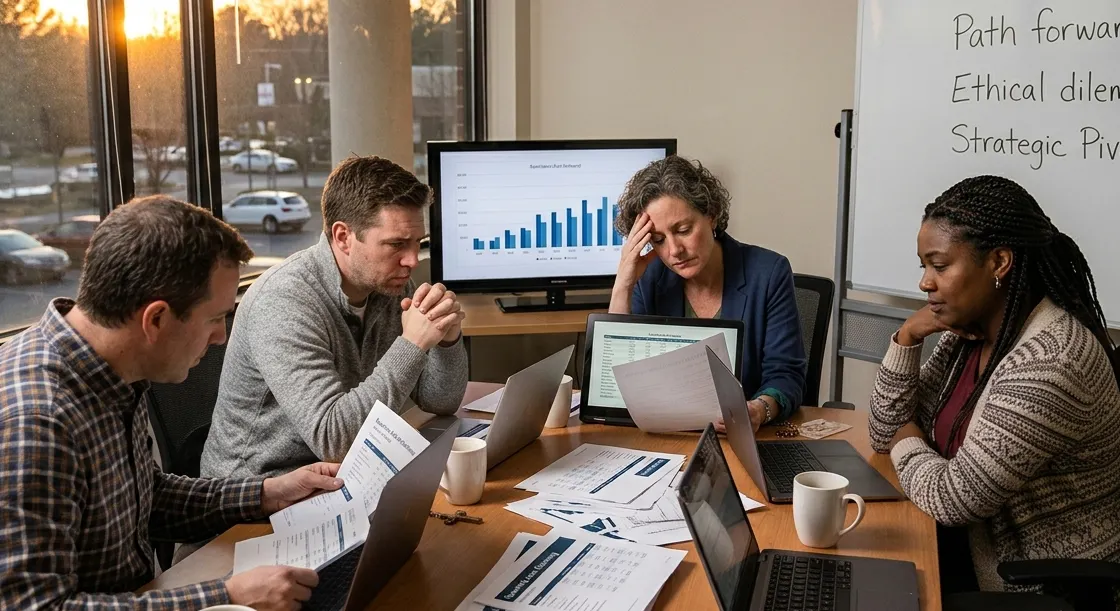
When storm clouds gather, we have an incredible opportunity to show what our values actually look like in action. By choosing openness over self-defense, we honor the dignity of the people we serve, build deeply resilient teams, and create a culture of trust that can weather any challenge.

By Framing the Start of the Workweek as an Act of Co-Creation, We Transform Mundane Routine into a Source of Purpose and Energy.
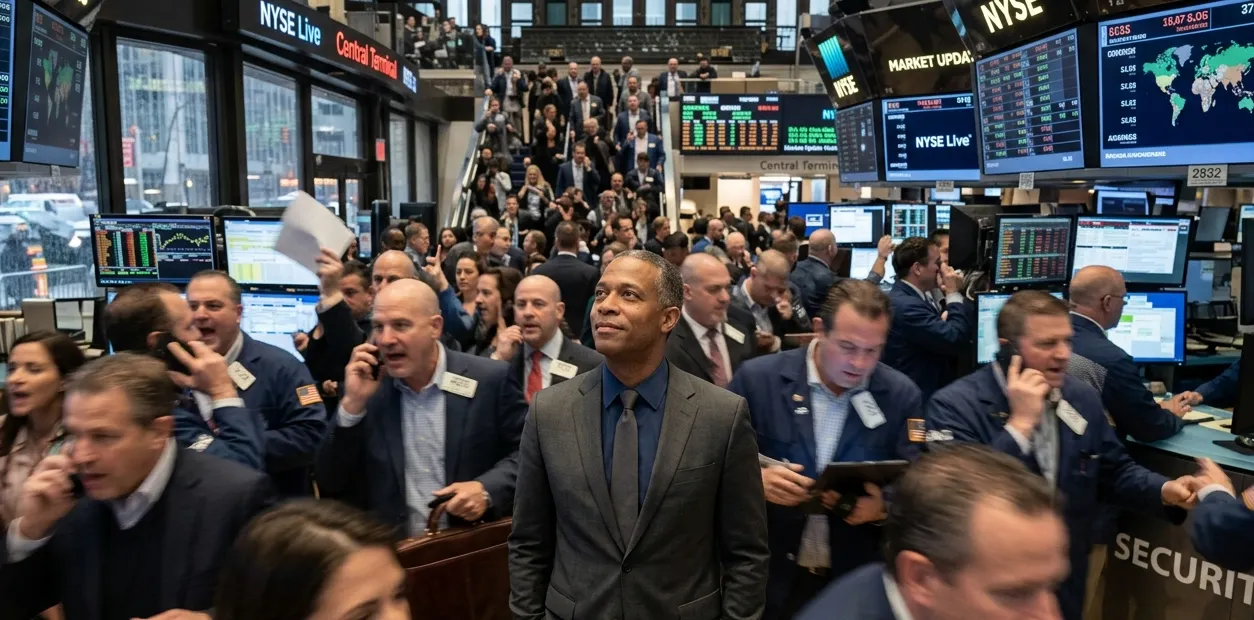
In a fast-paced, data-saturated corporate world, the ultimate gift a leader can bring to the table isn't just faster information, it's genuine, heart-centered discernment.

Joy in work quickly fades when we view our duties as mere transactions: trading hours for a paycheck or tasks for a performance review. True warmth returns when we remember that our daily labor is a real partnership with God in caring for the world.

Geopolitical friction in a vital global transit route reminds us that market stability is fragile, but our leadership and spiritual purpose must remain firmly anchored.
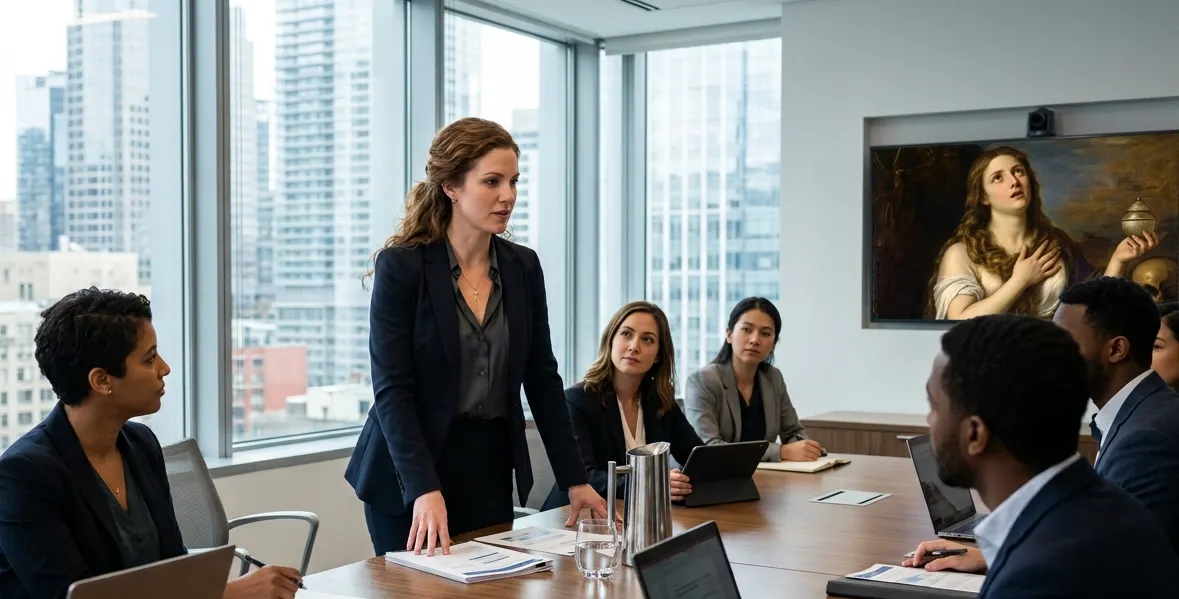
Saint Thomas Aquinas famously honored St. Mary Magdalene with the title Apostolorum Apostola, meaning the "Apostle to the Apostles." As lay leaders navigating complex corporate, civic, and entrepreneurial landscapes, her life offers vital principles for integrating faith and professional life.
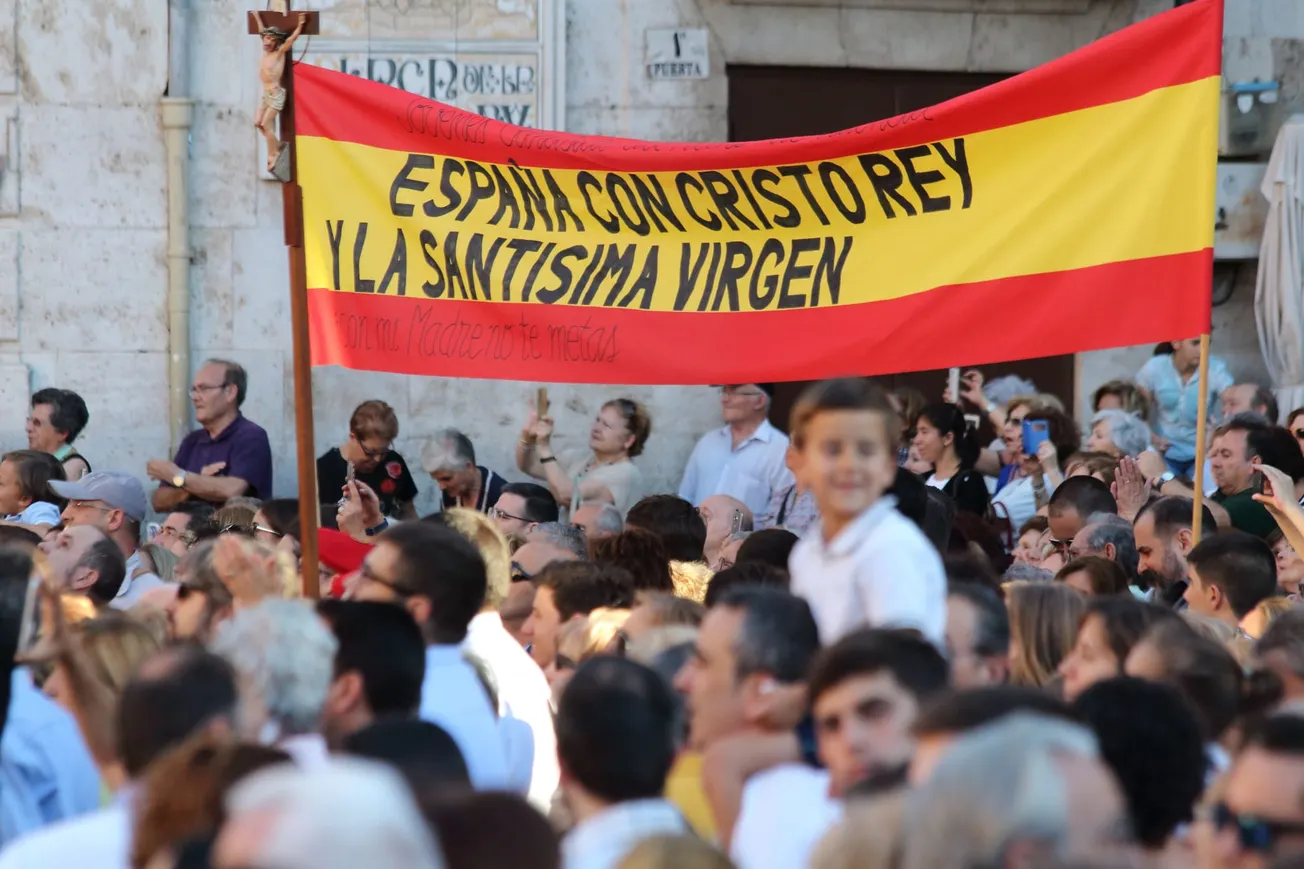
As a student of history, I can't help but remember that Spain has given the Church so many saints and over the centuries brought so many souls to God; it's easy to celebrate with them this week.

When professional networks ask us to compromise our operational virtues, we must remember where our real alignment lies.
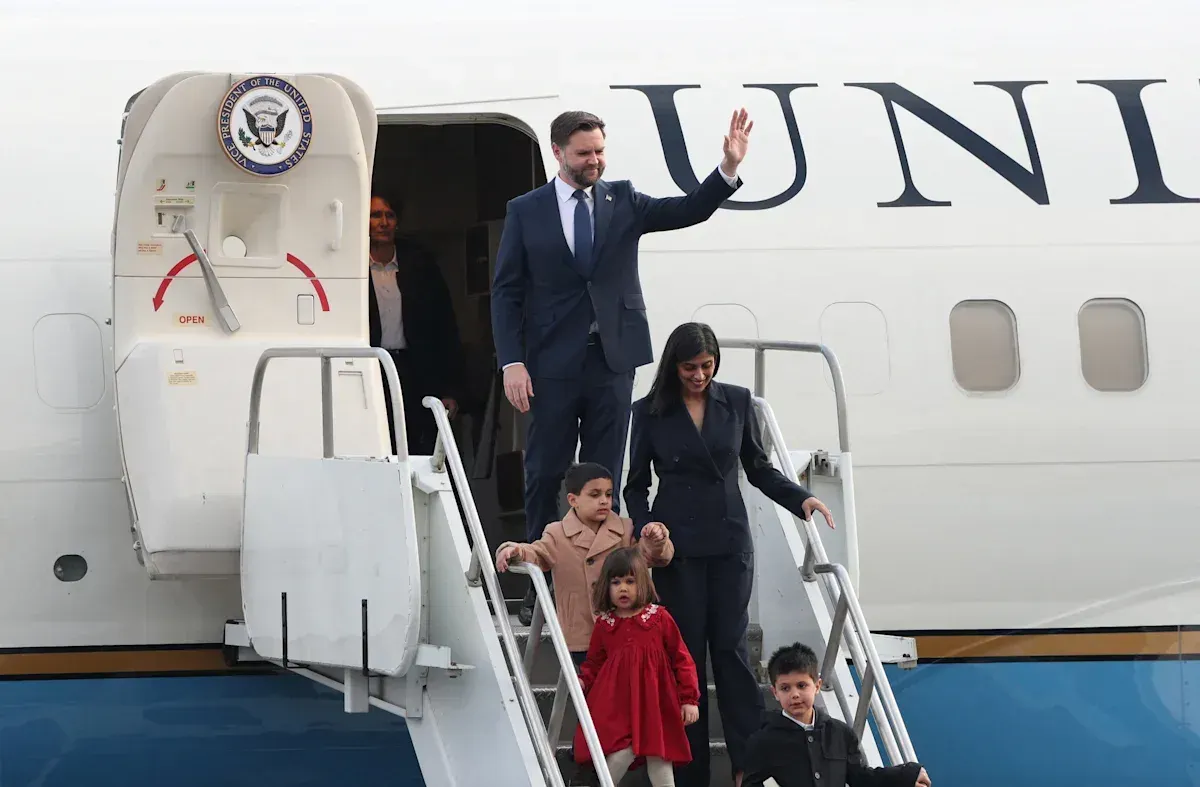
From a faith-informed perspective, leadership is fundamentally about stewardship and legacy. Welcoming children, the ultimate sign of hope for the future, is an act of profound cultural confidence.
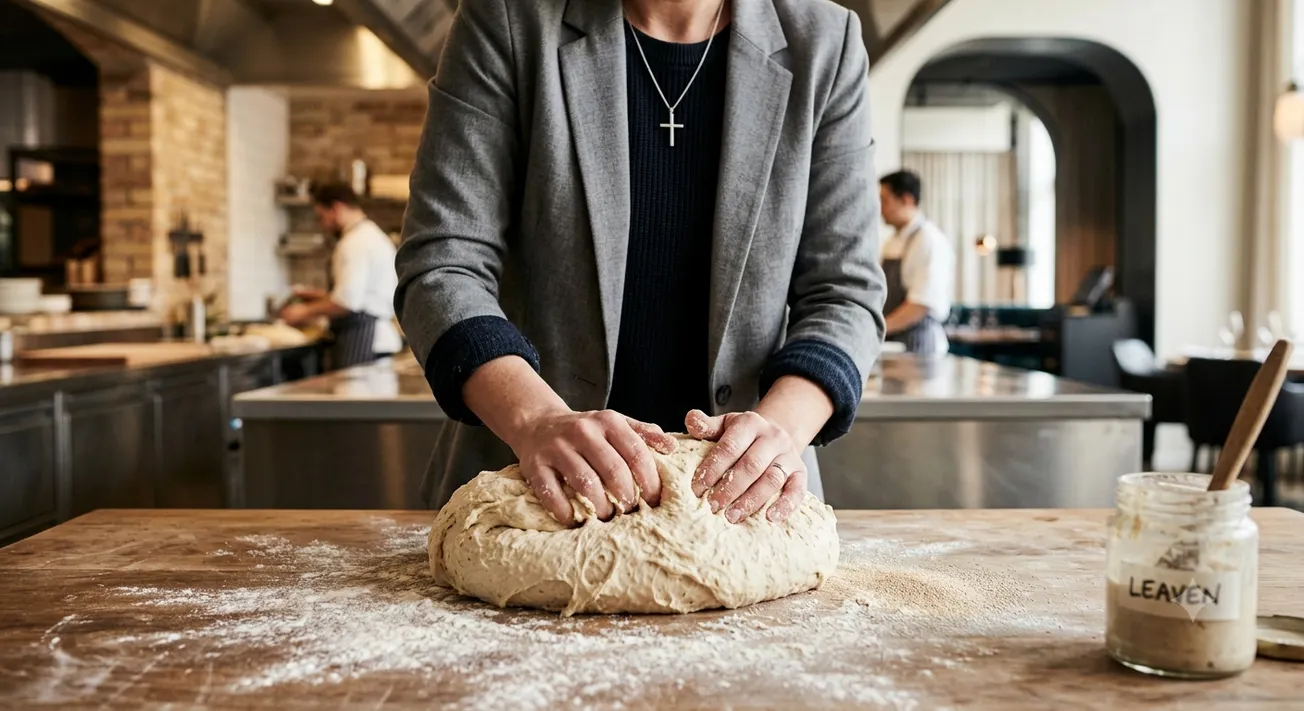
The most enduring cultural changes rarely happen through aggressive, top-down takeovers. They happen when a single professional resolves to be a quiet, consistent agent of virtue from the inside out.

As Catholic business leaders, we cannot separate the health of our external environments from the long-term health of our organizations, our communities, and our own souls.

When we invest in comprehensive compliance, robust employee protections, and transparent supply chains, we are doing more than managing risk or avoiding litigation. We are practicing stewardship and honoring human dignity.

As Catholic professionals, we often rely on online networks for connection. But digital spaces cannot replace the grace of real-life fellowship. Like the pioneers, we must be brave enough to step out of our wagons, walk into the clearing, and introduce ourselves.

As we watch nations gather on the global stage, we are reminded of how powerful it is when humanity finds a shared joy. It shows us that beneath our differences, there is a human desire for community, for excellence, and for celebration.

A fallen hero offers a painful, yet necessary, opportunity to examine our own hearts. Often, our deep discouragement stems from an underlying error, the tendency to idealize a human being. When we turn mentors into icons, we forget their inherent human fragility.